The Power of One

     Never underestimate the power of one. You could be only one that a person confides in about suicidal thoughts. You could be one leader who stands up for people’s rights. You could be one, starting with yourself, and spread hope and wisdom you’ve learned over the years.

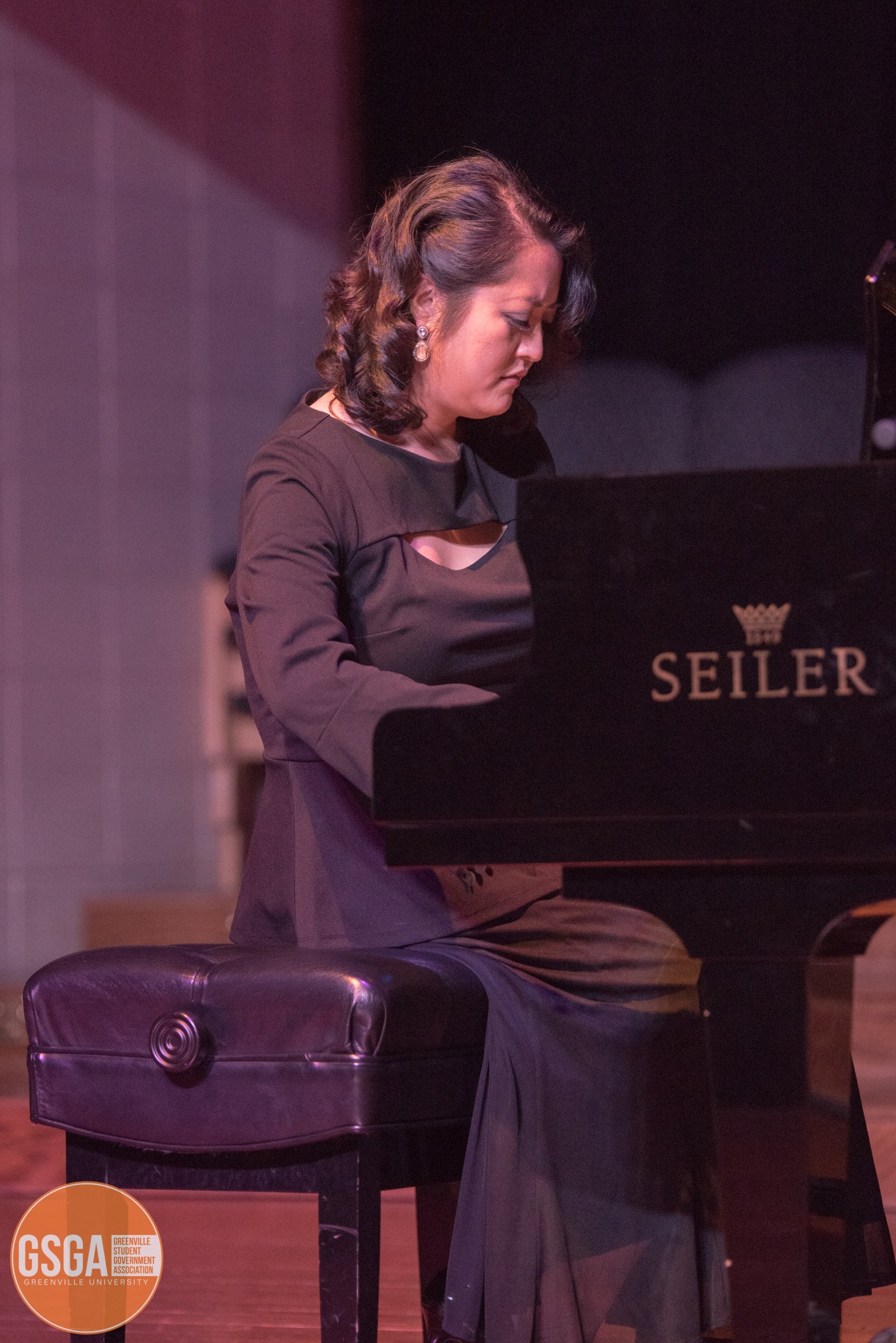
     NAMI SWI has enabled me to be “one” and flourish. I’ve been able to share my story to hundreds of college students thanks to the non-profit organization. Through “Tuning Out Stigma,” I try to serve as a stigma fighting role model and perform my original music while talking about my Dark Days, Acceptance, Treatment, Coping Skills and Successes Hopes and Dreams modeled after NAMI’s In Our Own Voice public speaking format.

     I hope my presentation reached the hearts and minds of the audience to realize that yes, one can live a productive life with mental illness. I’ve had lived experience with mental illness for more than 20 years, diagnosed with schizoaffective disorder with OCD and delusions. To this day, I’m on a maximum amount of psyche medications and raising a family of twins as a pastor’s wife in California. Through NAMI SWI, I presented at Southern Illinois University Edwardsville several times, at Greenville University and Lindenwood University-Belleville.

     I was flanked with support as NAMI SWI board members, volunteers and staff fielded questions from the audience after my presentations. I received a standing ovation in 2017 before an audience of 100 at Greenville University. Certainly, with one person, one dream and a vision, redemption in my story can be “won.”
My Brain Makes Me Proud Blog August 2021

Returning to school can be an exciting time for many. For some, it can present its challenges.

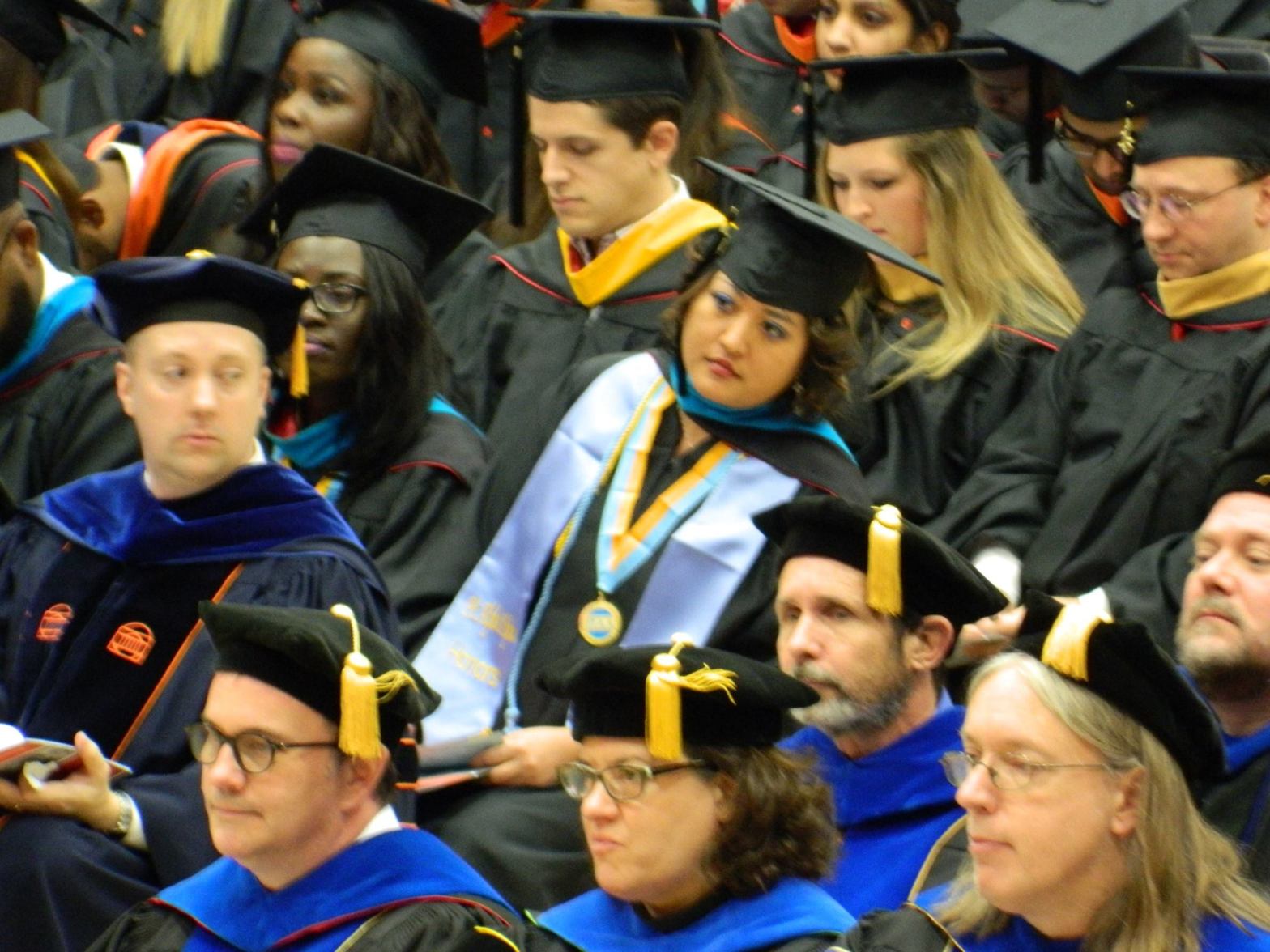
As a graduate school student at Southern Illinois University Edwardsville (SIUE), I entered campus in 2013 with a schizoaffective disorder with OCD diagnosis. I had been stable for many years on medications, and didn’t think I needed to register with the university’s Disability Support Services (DSS) at that time, but that changed.

A year later, I weaned off the last bit of medications I was taking aiming to be less lethargic and not have so many side symptoms. Off the medications, I felt alive and well for a while, but things turned for the worse within a few months where I flunked two papers for a public policy personnel course. I became manic, out of touch with reality, and didn’t sleep for days. I needed to postpone taking the final exam because I knew I would flunk it with the way my brain was malfunctioning.

I went to my professor’s office the day of the exam and cried saying I wasn’t in any condition to take the exam. I told her that when I sat at the computer on campus to study, I felt “anguished.” She called in the public policy department chair, and with documents I submitted from my employer that required me to see a doctor before returning to work (because I failed my job for 2 weeks), they agreed to excuse me from taking the exam at that time.

I had to report to DSS to register my status as being disabled and for them to accommodate me. I was soon hospitalized in St. Louis at Mercy hospital for seven days and took medications again. I coordinated with DSS to postpone my exam. Three weeks later out of the hospital, I took my final exam at the DSS center needing to score a 100% to salvage my getting an A in the class.  I was not well, but exerted myself well enough to score the 100%.

DSS’s accommodation was excellent. The center’s staff also matched me with a mentor who played a hugely incredible role in my life. I graduated with a 4.0, I got married, and I’m a mother of twin girls. I continue to express my gratitude for my successes by sharing my story, and NAMI St. Louis has enabled that for me through blog writing, and my public speaking engagements, In Our Own Voice presentations.

I’m writing a book with 3-time Emmy Award winning former reporter Art Holliday called, “My Brain Makes Me Proud: How I Beat Schizoaffective Disorder.” I experienced several higher education scenarios where I needed help, compassion and advocacy. My book especially details my growth and development as a Notre Dame student as well as how I was first diagnosed as a sophomore with mental illness. Higher education has become more accommodating for individuals like me throughout the years, and I hope you or your loved one can tap into these resources and find support likewise.

Theresa San Luis Teller can be reached at tsanluisnd@gmail.com

My Brain Makes Me Proud: How I Beat Schizoaffective Disorder Blog June 2021

By Theresa San Luis “Story” Teller

Unlike a broken arm in a sling or a fresh open wound to the skin, the disrepair of one’s brain with mental illness may not be so visible to others. Many may not believe it exists because it is not so visible; or a person may be unaware that their thought processes are dysfunctional without communicating them; or, the stigma of mental illness blocks a person from seeking help. All are factors that make recovery difficult. With mental illness, life is difficult and stressful.

Persevering through mental illness requires strength beyond the imagination of others who don’t deal with it on a daily basis. Strength may not be apparent or obvious because of those struggles. Mental illness is tough, and I commend those that face it bravely and endure to keep on trucking along on a daily basis. You are not alone.

I felt alone more than 20 years ago as a sophomore at the University of Notre Dame. I saw Dr. Nasr, a psychiatrist, who diagnosed me with schizoaffective disorder which is a   combination of schizophrenia and bipolar symptoms. I later was diagnosed with anxiety with OCD and delusions as well. I still struggle to this day.

I am not alone today. It took years of troubleshooting and finding proper support. I have a husband, and twin daughters. I have a church family as a pastor’s wife. My family is supportive and I’ve maintained valuable relationships along the way.

I want to encourage you to consider that recovery is a real possibility and being diagnosed with mental illness is not a death sentence.  I’ve lived with mental illness and earned two bachelor’s degrees and two master’s degrees. What drives me is to live my best life as a stigma fighting role model. I had no role models at age 20, but hope to share my story of finding hope. I am currently co-authoring a book with 3-time Emmy Award winning reporter Art Holliday about my mental health journey called “My Brain Makes Me Proud: How I Beat Schizoaffective Disorder.” I hope you can join alongside my journey to beat the stigma of mental illness. Our manuscript is in process.

Every day is a new day to work toward a better life and progress. Find your voice, your inner strength and reach out. It just may touch someone.

Theresa can be reached at tsanluisnd@gmail.com